


A
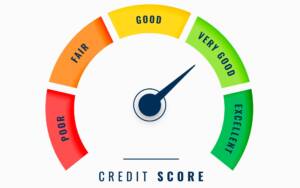
credit score is a three-digit number that reflects your overall financial behaviour and reliability as a borrower. It is calculated by bureaus after analysing your past and current credit activities, including loan EMIs, card bills, repayment consistency, outstanding balances, credit limit usage, number of accounts, and frequency of loan applications. In India, this score usually ranges from 300 to 900, where a score above 750 is considered excellent and increases the chances of getting quick loan approvals, low interest rates, premium cards, and higher credit limits. On the other hand, a low score signals poor repayment habits or mismanagement, which can lead to loan rejection, higher interest charges, and strict lending terms. The score generated from your report, which records every detail of your financial history with lenders. Since banks and NBFCs use your score to evaluate trust and risk, maintaining a good score is essential for building strong financial credibility and securing convenient borrowing options in the future.
How is Credit Score Calculated?
Your score depends on these key factors: Payment History – Regular EMI & bill payments
 Utilization – Keep below 30% of your credit limit
 Age – Older accounts help build trust
 Mix – Balance between credit cards and loans
 Inquiries – Too many loan applications can reduce your score
Why Good Score Matters
A good score helps you:
Get faster loan approvals
Enjoy lower interest rates
Receive better financial offers
Build a strong financial reputation
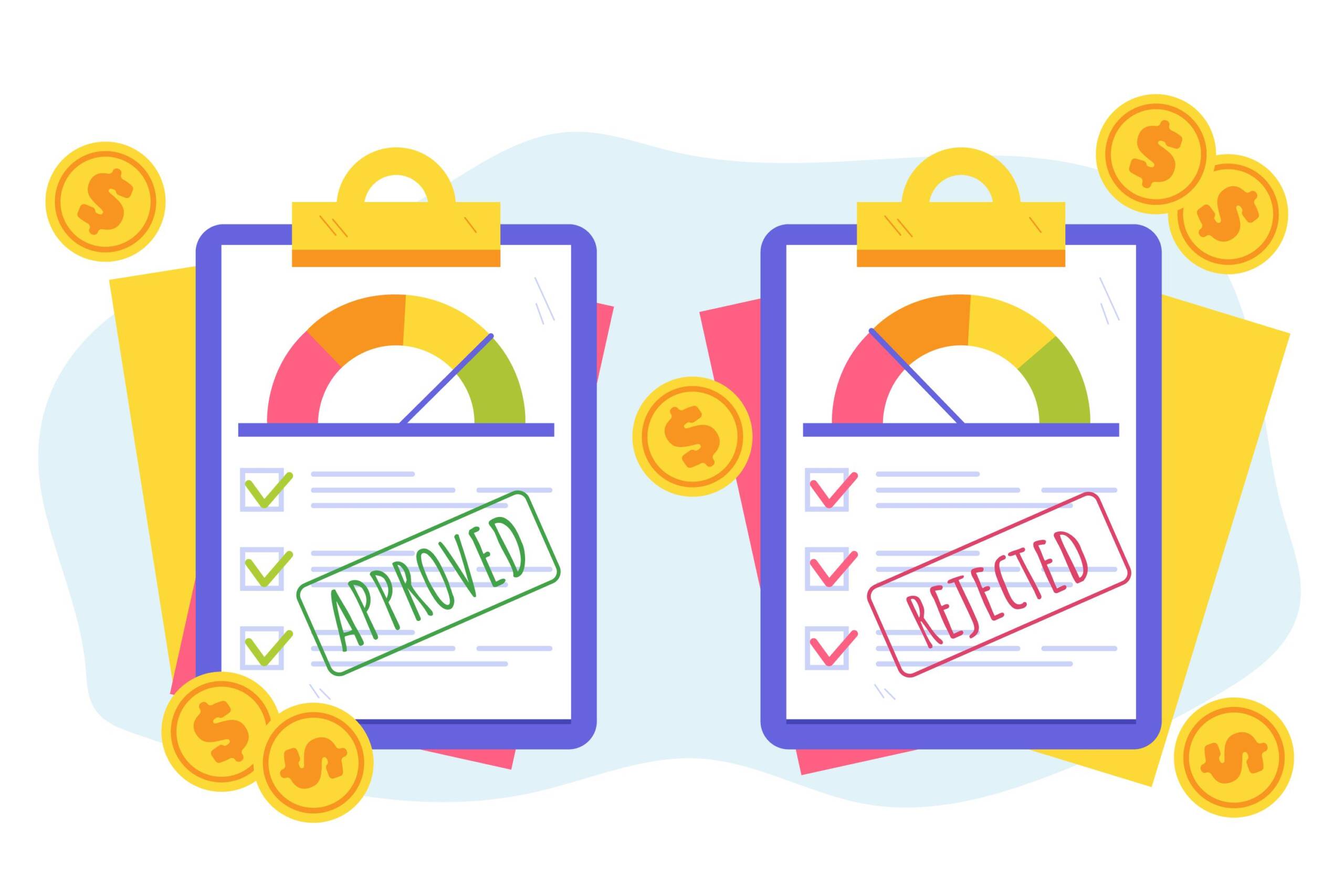
A score matters because it directly influences your ability to access credit and secure financial opportunities. Banks, NBFCs, and lending institutions use your score to evaluate how trustworthy you are with repayment. A high score helps you get loans approved faster, at lower interest rates, with higher credit limits and flexible repayment options, while a low score can lead to loan rejection, increased interest charges, and strict lending conditions even if your income is good. Your score also affects eligibility for cards, home loans, business loans, vehicle loans, personal loans, and BNPL services. In many cases, a strong score provides pre-approved loan offers, while a weak score reduces financial freedom and can delay important life goals like buying a home or expanding a business. In simple terms, a good score is more than just a number — it is your financial reputation, and maintaining it helps build long-term trust with lenders and opens doors to better financial opportunities.
How Credit Score Affects Your Financial Life
A score is more powerful than most people realize. It influences multiple areas of your financial life such as:
Home loan, car loan & personal loan approvals
Interest rates — higher score = lower interest
Credit card eligibility & credit limit increases
Approval speed — high score leads to instant approval
Access to business loans & overdraft facilities
Today, many sectors use scores beyond banks —
insurance companies, fintech platforms, rental property owners, and even some employers check history to measure financial responsibility.
Hidden Reasons Why Score Drops
People assume only unpaid EMIs reduce score, but many other hidden factors also hurt it:
Paying only minimum due on cards
Closing old credit cards suddenly
Multiple loan applications in a short time
Using more than 30% of card limit
Not updating PAN or mobile number, causing identity mismatch
Unknown loan accounts caused by bank/bureau errors or fraud
Settling loans instead of fully paying them
Isliye score sirf paisa dene aur lene tak restricted nahi hai —
ye financial behaviour ka complete reflection hai.
PrimeScore Tip
Check your report regularly. If you find errors or unknown loan accounts, don’t ignore them — they can lower your score.
At PrimeScore, we help you fix report errors, remove wrong entries, and improve your score for a better financial future.